Ahead of your visit
Bridges
One appointment, explained before it starts.
A bridge gets quoted as a whole, before either supporting tooth is touched. Once your dentist has looked at the gap and the teeth either side of it, you'll hear the full fee, crowns and false tooth together, before anything is prepared. From there it's usually 2 appointments: one to shape and record both teeth, a second to fit the finished bridge once it's ready. If you're working around school terms or a packed calendar, that kind of clarity tends to help.
Why this matters
What this treatment aims to improve
Results depend on the starting condition, the treatment plan and how the mouth responds. Your dentist will explain what is realistic for your case before treatment begins.
One number for the whole thing
The fee covers the false tooth and both supporting crowns together, wrapped into a single figure you see before treatment starts.
2 visits, set from the start
Knowing it's 2 appointments, not an open-ended run of them, makes it easier to book time off or line up childcare in advance.
A temporary bridge while it's being made
It keeps the gap closed and both prepared teeth protected in the meantime, so daily eating and talking carry on without much disruption.
How it works
Step by step, from assessment to review
We look, then quote
Your dentist checks the gap and both supporting teeth, confirms a bridge's the right call, and gives you the fee and the visit count before anything's prepared.
Both teeth shaped, one scan
The two supporting teeth get shaped, then a single scan or mould captures both of them and the gap, so the bridge matches your bite properly.
The finished bridge goes in at visit two
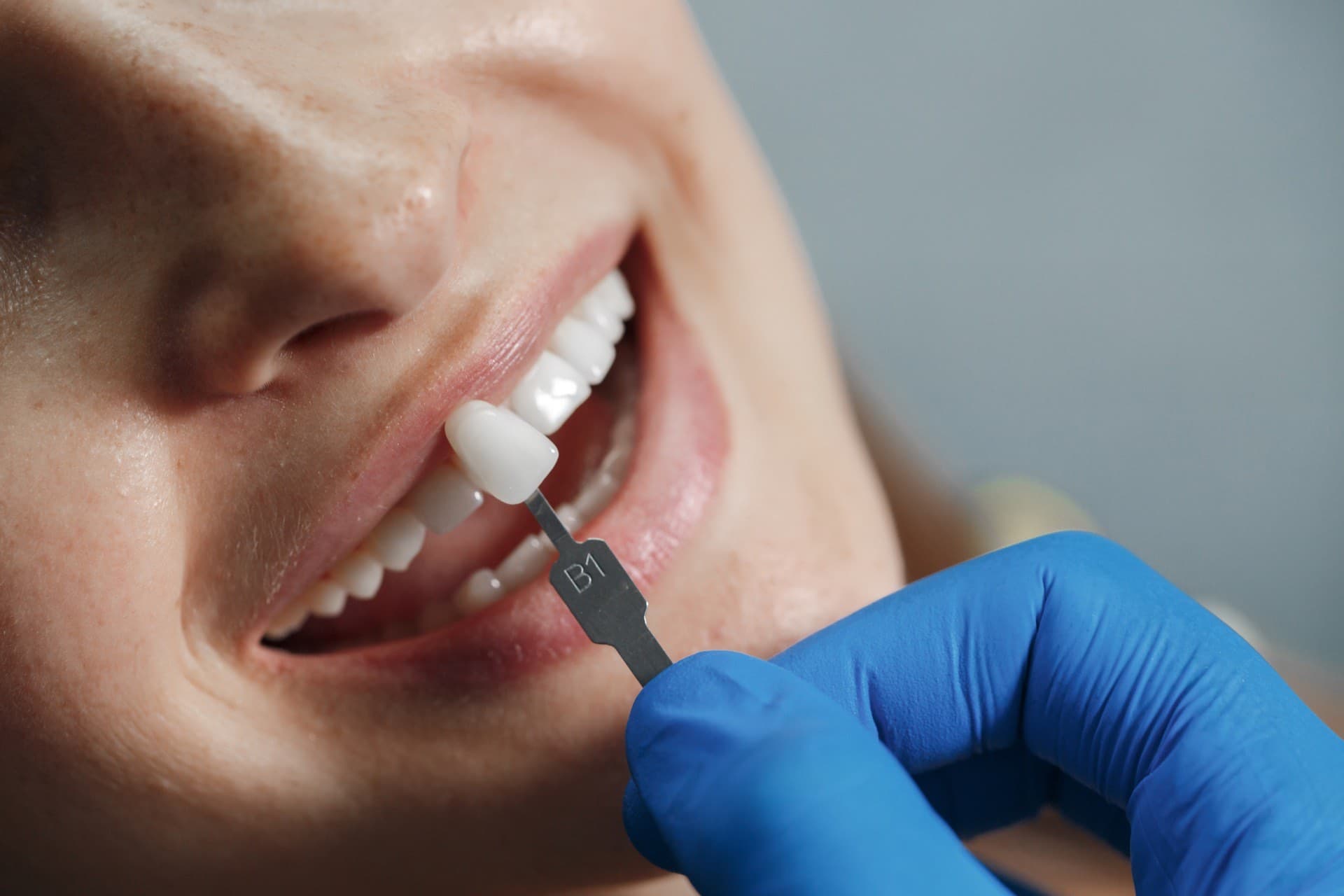
We check it for fit, shade and bite across both teeth, then cement it in place of the temporary.
Is it suitable for you?
A bridge suits you if you want a missing tooth sorted on a schedule you can see coming, with the whole fee settled before either supporting tooth is prepared.
You're planning around work or the kids
A set 2-visit schedule means you can book time off or arrange childcare with confidence, knowing exactly how many trips this'll take.
You want the full number upfront
The fee gets confirmed once the assessment's done, before any preparation starts, so nothing new turns up partway through.
You're weighing a bridge against other options
Knowing the visits and the total cost up front makes it easier to compare against a denture or, where it's offered, an implant.
Getting ready
Small things that help before you arrive.
Bring anything relevant
Old X-rays, a list of medications or notes on what you've noticed all help, though you're welcome to come without them.
Flag what makes it harder
If anxiety, a sensitive spot or a rough past experience make visits difficult, tell the team early so they can plan around it.
Give it enough time
A first look needs room for questions and a proper explanation, not just a quick glance and a nod.
Bridges questions
Questions patients often ask
The answers below cover what most patients experience. Your own dentist will tailor the advice to your examination, medical history and treatment plan.
2, usually: one to prepare and record both supporting teeth, one to fit the finished bridge once it's back from the lab.
Have a different question?
Tell the clinic what you are concerned about. The team can explain the next sensible step before you decide on a visit.
Book when you're ready
Talk it through before you book.
Tell test what you've noticed and they'll help arrange the right appointment for it.
Bring whatever you're wondering about. Your dentist explains as you go, what's happening, why it matters and what comes next, so you leave with a plan that makes sense.