Ahead of your visit
Retainers
One appointment, explained before it starts.
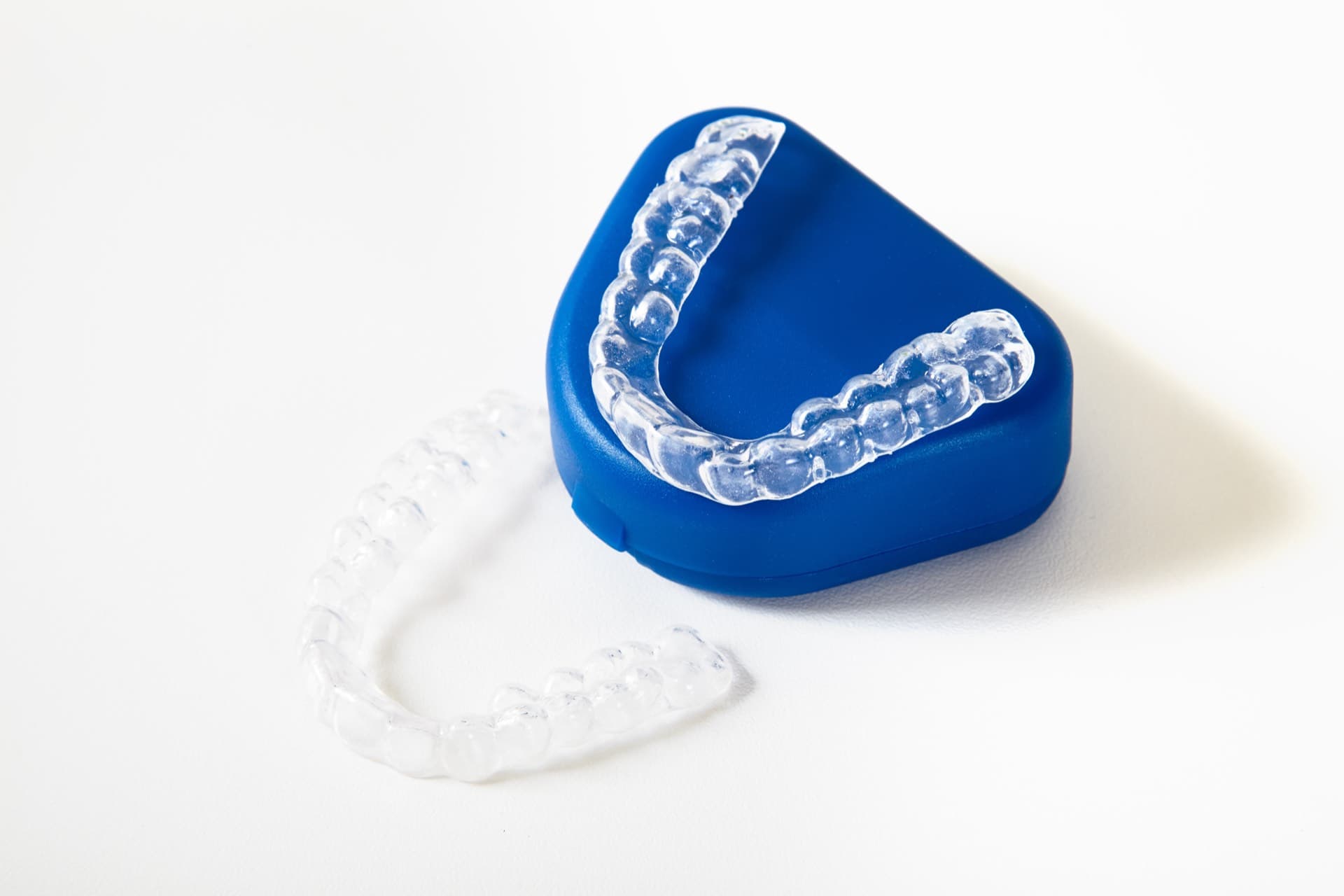
Braces or aligners move your teeth, but the bone and gum around each one takes longer to catch up. Skip the retainer stage and teeth can start drifting back towards where they began, sometimes sooner than you'd expect. That's what a retainer's for, holding the result steady while things settle. You'll be offered a removable retainer, clear or in wire and acrylic, or a fixed wire bonded quietly behind your teeth. Your dentist will talk you through which one fits your case.
Why this matters
What this treatment aims to improve
Results depend on the starting condition, the treatment plan and how the mouth responds. Your dentist will explain what is realistic for your case before treatment begins.
Holds what treatment achieved
Your teeth stay put while the bone and gum tissue around each one takes the time it needs to settle into the new position.
Two options, one job
A clear or wire-and-acrylic retainer comes out for eating and cleaning, while a fixed wire stays bonded behind your teeth without you needing to think about it.
Relapse, explained without alarm
Teeth that moved can drift back once retention stops, so your dentist walks you through why this stage matters instead of something you can skip once life gets busy.
How it works
Step by step, from assessment to review
Your case gets reviewed
Your dentist looks at how your treatment finished and decides whether a removable or fixed retainer fits your teeth and your routine best.
An impression or scan is taken
Your teeth get captured, either with an impression or a digital scan, so the retainer built for you matches your positions exactly.
It gets fitted and checked
You'll come back for a fitting where your dentist adjusts the wire or removable retainer until it sits comfortably and holds correctly.
Is it suitable for you?
A retainer's recommended for almost everyone coming out of brace or aligner treatment, since the position your teeth reached isn't fixed on its own without something holding it there.
Treatment's recently wrapped up
Braces have recently come off, or your aligners are done, and your dentist has confirmed you're ready for the retention stage.
Your retainer's worn out or missing
An existing retainer's cracked, doesn't fit like it used to, or has gone missing altogether, and getting a replacement sorted matters before your teeth move.
A fixed retainer suits you better
You'd rather not rely on remembering to wear something removable, and a bonded wire fits neatly into how you already live.
Getting ready
Small things that help before you arrive.
Bring anything relevant
Old X-rays, a list of medications or notes on what you've noticed all help, though you're welcome to come without them.
Flag what makes it harder
If anxiety, a sensitive spot or a rough past experience make visits difficult, tell the team early so they can plan around it.
Give it enough time
A first look needs room for questions and a proper explanation, not just a quick glance and a nod.
Retainers questions
Questions patients often ask
The answers below cover what most patients experience. Your own dentist will tailor the advice to your examination, medical history and treatment plan.
Bone and gum tissue around each tooth needs time to settle into its new position. Without a retainer, that tissue lets teeth start drifting back towards where they began.
Have a different question?
Tell the clinic what you are concerned about. The team can explain the next sensible step before you decide on a visit.
Book when you're ready
Talk it through before you book.
Tell test what you've noticed and they'll help arrange the right appointment for it.
Bring whatever you're wondering about. Your dentist explains as you go, what's happening, why it matters and what comes next, so you leave with a plan that makes sense.