Ahead of your visit
Crowns
One appointment, explained before it starts.
Sometimes a tooth's been through a lot: a big filling, a crack, root canal treatment, and there's not enough of it left to trust with everyday biting. A crown covers the whole visible part of the tooth, rebuilding its shape and sharing out the load so one thin edge isn't doing all the work. Your dentist will walk you through why a crown makes sense for your tooth, rather than recommend one out of habit.
Why this matters
What this treatment aims to improve
Results depend on the starting condition, the treatment plan and how the mouth responds. Your dentist will explain what is realistic for your case before treatment begins.
Strength that's shared out
A crown wraps around the tooth completely, so biting force spreads across the whole surface instead of concentrating on a crack or a thin wall.
A shape that fits in
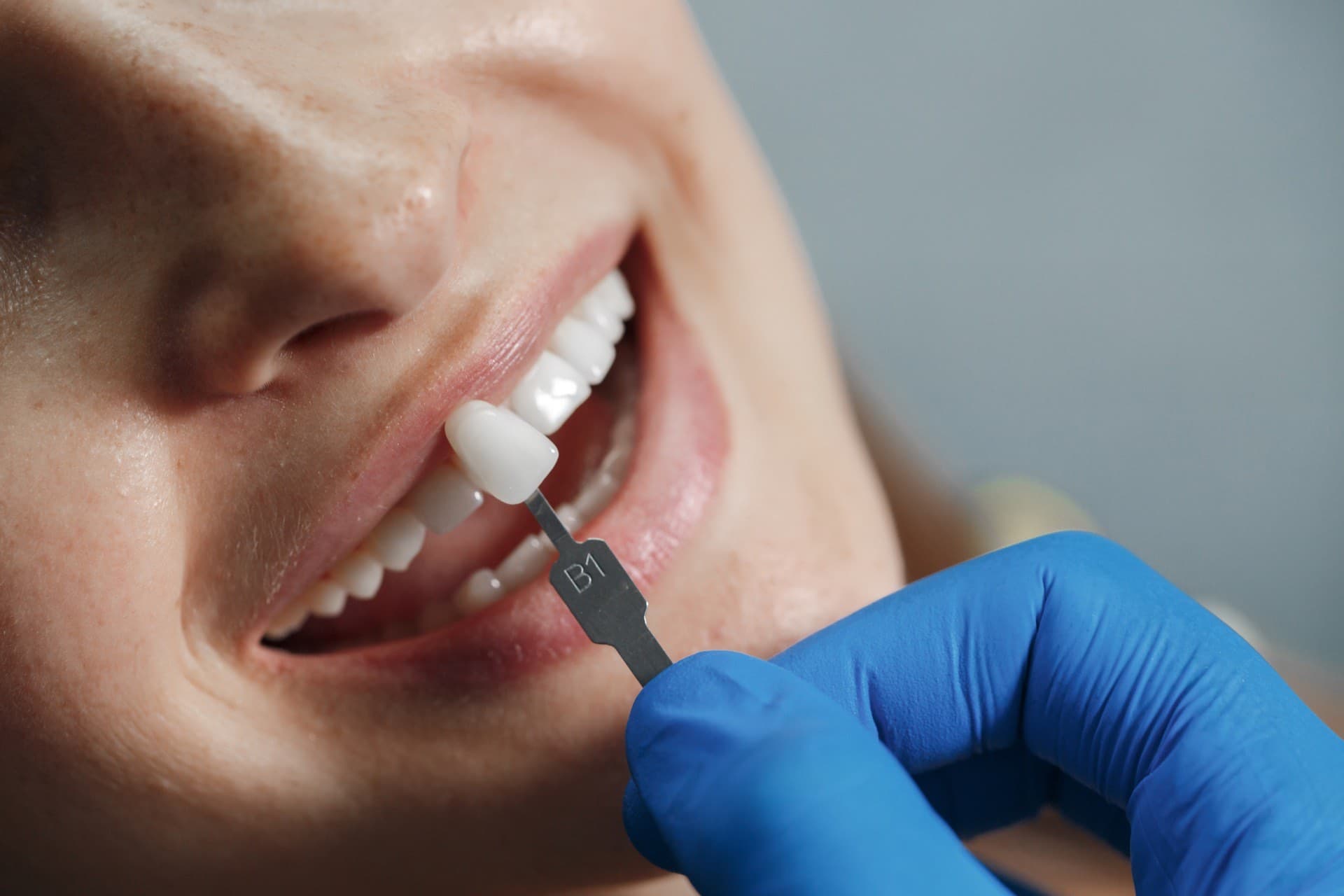
The lab matches your crown's shape and shade to the teeth around it, so it settles naturally into your smile.
A safety net after root canal
A root-canal-treated tooth can turn brittle over time, and a crown's often recommended afterward to help protect it from cracking under normal use.
How it works
Step by step, from assessment to review
Your tooth gets shaped
Your dentist removes what's weak or decayed and reshapes what's left, so the crown has something solid to sit on.
We take a scan or impression
A digital scan or a mould captures the exact shape of your tooth and its neighbours, so the crown fits properly the first time.
A temporary crown holds things steady
While the real one's being made, a temporary covering keeps you eating and talking normally in the meantime.
Is it suitable for you?
There's more than one reason a dentist might suggest a crown. Yours will explain exactly why it fits your tooth before recommending one.
Your tooth's carrying a big filling
When there's barely any natural tooth left around a filling, a crown can hold things together better than trying another filling.
You've got a crack that worries you
A crack that's spreading, or has already chipped off a piece of the tooth, is usually a sign the tooth needs the coverage a crown gives.
You've had root canal treatment
Treatment can leave a tooth more brittle than before, and your dentist may suggest a crown to help limit further wear from everyday chewing.
Getting ready
Small things that help before you arrive.
Bring anything relevant
Old X-rays, a list of medications or notes on what you've noticed all help, though you're welcome to come without them.
Flag what makes it harder
If anxiety, a sensitive spot or a rough past experience make visits difficult, tell the team early so they can plan around it.
Give it enough time
A first look needs room for questions and a proper explanation, not just a quick glance and a nod.
Crowns questions
Questions patients often ask
The answers below cover what most patients experience. Your own dentist will tailor the advice to your examination, medical history and treatment plan.
Usually 2: one to shape the tooth and take measurements, and a second to fit the finished crown once it's back from the lab.
Have a different question?
Tell the clinic what you are concerned about. The team can explain the next sensible step before you decide on a visit.
Book when you're ready
Talk it through before you book.
Tell test what you've noticed and they'll help arrange the right appointment for it.
Bring whatever you're wondering about. Your dentist explains as you go, what's happening, why it matters and what comes next, so you leave with a plan that makes sense.